
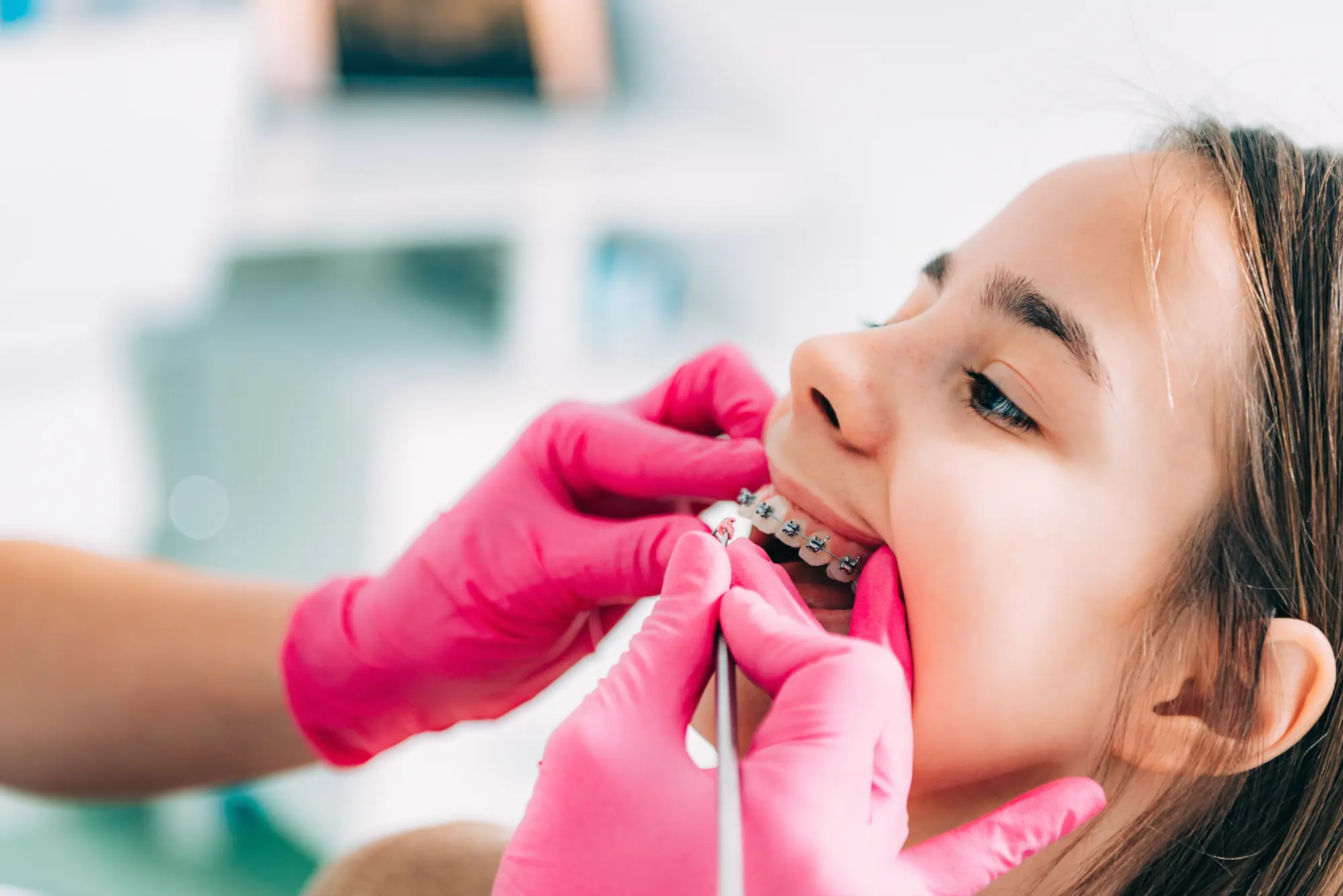
What is the Difference Between Phase 1 and Phase 2 Orthodontic Treatment?
As a parent, you want to ensure your child has a healthy, confident smile they can carry proudly through life. But knowing the right time to start orthodontic treatment can feel overwhelming. Should you act now or wait until more of their permanent adult teeth come in? Understanding the difference between Phase 1 and Phase 2 orthodontic treatment can help you feel confident in choosing what’s best for your child.
At Otter Orthodontics, led by board-certified orthodontist Dr. Gemma Hill, we prioritize proactive, personalized care that supports your child’s oral health at every stage of development. Read on to learn how these two treatment phases differ and how each plays an important role in building a beautiful, functional smile.
What is Phase 1 Orthodontic Treatment?
Phase 1, also known as interceptive orthodontics, focuses on addressing dental and jaw issues early. This phase of treatment typically begins when children are between the ages of 7 and 10, and have a mix of both adult and baby teeth.
The goal of this phase is to guide your child’s growth and development in a way that reduces the severity of orthodontic problems and lays the foundation for a healthier, more symmetrical smile in the future.
Why is Timing So Important?
The American Association of Orthodontists recommends seeing an orthodontist by age 7. At this age, children typically have a mix of baby teeth and permanent teeth, making it the perfect time to evaluate how their jaw and bite are developing. Early treatment gives Dr. Hill the opportunity to correct or manage:
- Narrow or uneven arches that could lead to crowding
- Crossbites, overbites, or underbites
- Protruding teeth that are at risk for injury
- Jaw growth discrepancies
- Habits like thumb-sucking that impact oral development
By addressing these issues early with treatments such as palate expanders, partial braces, or Invisalign First, Phase 1 can significantly reduce the need for more invasive procedures later.
What is Phase 2 Orthodontic Treatment?
Phase 2 is what most people think of when they hear “orthodontic treatment.” This phase begins after all the permanent teeth have erupted, typically between the ages of 11 and 15, and is designed to refine and finalize the alignment of teeth and the bite.
How Does Phase 2 Work?
During Phase 2, treatments focus on creating a straight, functional, and aesthetically pleasing smile that will last a lifetime. Common tools used during this phase include:
- Traditional braces
- Clear aligners like Invisalign
- Custom retainers to maintain results
This phase corrects lingering misalignments and ensures all teeth work harmoniously together, preventing long-term issues such as uneven wear, difficulty chewing, or jaw pain.
How Do Phase 1 and Phase 2 Work Together?
Think of these two phases as building blocks. Phase 1 creates the foundation needed for Phase 2 to succeed. For example, expanding a narrow jaw during Phase 1 gives teeth the space they need to come in correctly, which means Phase 2 treatment may be simpler, shorter, and more effective.
Benefits of a Two-Phase Approach
By combining early interception with later refinement:
- Severe issues can be minimized, reducing the need for extraction or surgery
- Future orthodontic treatment becomes less complex and more predictable
- Kids benefit from improved function and confidence during their formative years
At Otter Orthodontics, we truly believe in the science and artistry behind every smile. Dr. Gemma Hill’s experience with early interceptive orthodontics gives your child the best chance for long-term success.
How to Know if Phase 1 or Phase 2 is Right for Your Child
Every child is unique, which is why we start with a comprehensive consultation. At Otter Orthodontics, your initial visit is complimentary and includes diagnostics like x-rays and photos. This allows Dr. Hill to evaluate your child’s specific needs, explain their growth patterns, and recommend the best timing and treatment options.
If your child is younger, Phase 1 may help them avoid more complicated issues down the road. If they’re older and already have their permanent teeth, starting Phase 2 right away may be the best course of action. In either case, our team in Clackamas is ready to guide you through the process with a personalized plan.
Why Choose Otter Orthodontics for Your Family?
When you bring your child to Otter Orthodontics, you’re choosing the trusted care of Happy Valley’s only female-owned orthodontic practice. With Dr. Gemma Hill at the helm, you can rest assured that your family’s treatment is led by a board-certified orthodontist with a unique ability to blend clinical excellence with a compassionate, personalized approach.
Our focus on early intervention, paired with advanced solutions like Invisalign First and specialized expanders, makes us the go-to practice for families seeking proactive orthodontic care. Plus, our free consultation, including all necessary diagnostics, makes it easier than ever to take the first step.
Take the Next Step Today
Whether you’re considering Phase 1 treatment to support early growth or Phase 2 treatment to perfect your child’s smile, Otter Orthodontics is here to help. Your child deserves a lifetime of smiles. Let’s achieve that together at Otter Orthodontics in Clackamas!
To get started, just schedule your free consultation with Dr. Gemma Hill today by calling (503) 659-5000. You’ll leave with a clear understanding of your child’s needs and a plan designed to ensure their brightest future.
Recent Blog Posts
What Are TADs in Orthodontics and Do They Hurt?
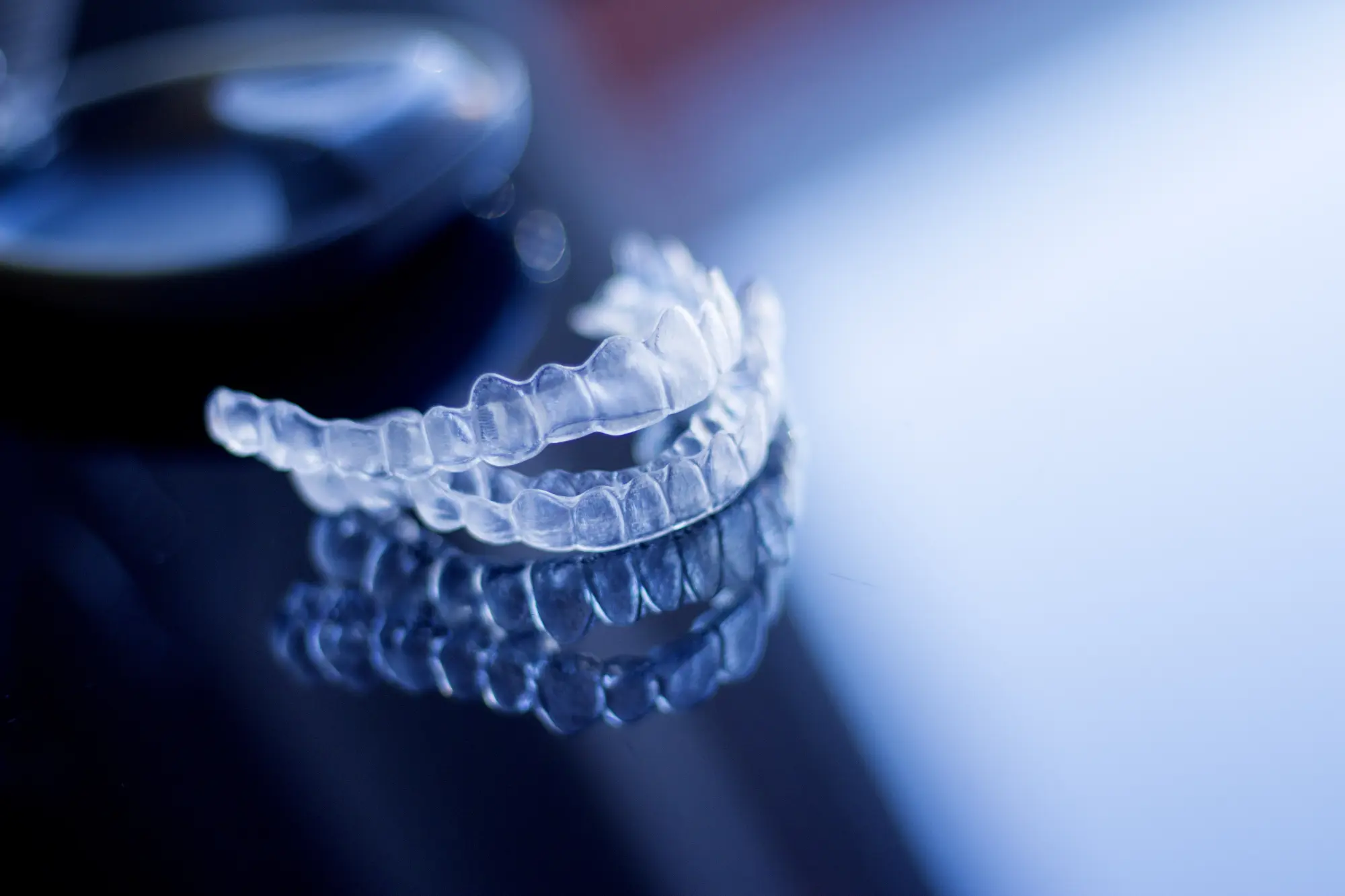
How Invisalign Clear Aligners Move Teeth Predictably
What is the Difference Between Phase 1 and Phase 2 Orthodontic Treatment?
Start Your Smile Journey
Schedule Your Consultation Today
Whether you're considering treatment for yourself or your child, we're here to help. Contact us today to schedule your complimentary consultation and take the first step toward a healthy, confident smile.